Navigating the 'Void Phase' of Personal Growth with Human Design
Discover how the 'void phase' in personal transformation, often mislabeled as feeling stuck, is actually a crucial period of 'identity composting' where old selves dissolve. Learn to recognize its signs and embrace this messy, unglamorous stage for authentic growth, guided by your Human Design.
Key Takeaways
- The 'void phase' is an essential, albeit uncomfortable, part of deconditioning and personal growth.
- It's characterized by a feeling of hollowness and the dissolving of old identities and motivations.
- Human Design offers insights into how this phase might feel and manifest differently for each energy type.
- Distinguishing the void phase from simply being 'stuck' is key to navigating it with more self-compassion and understanding.
- Authentic growth often emerges from embracing the messiness and uncertainty of letting go.
Understanding the 'Void Phase': Identity Composting
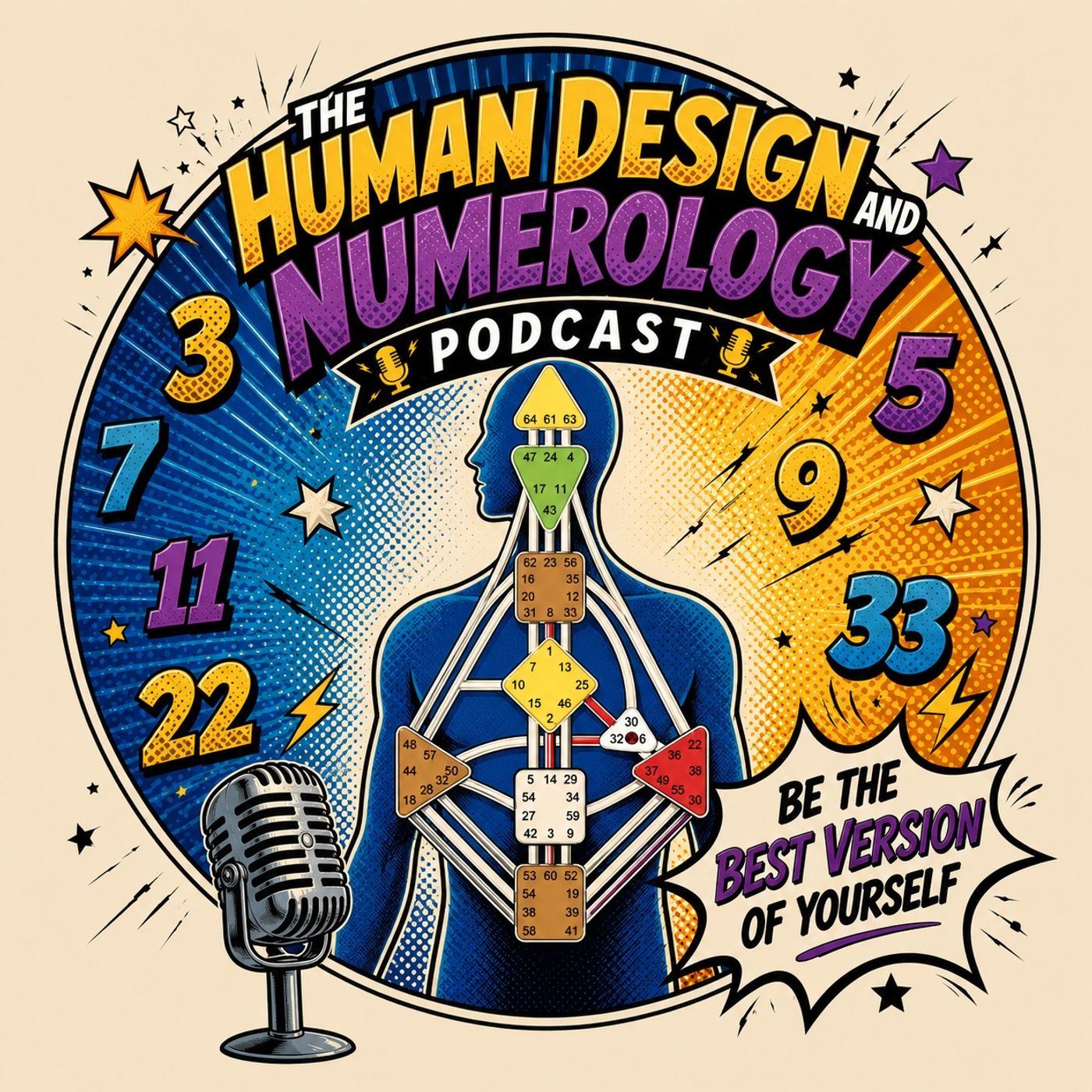
In the journey of personal transformation and breaking old habits, we often encounter periods that feel… empty. We might question our progress, feel a lack of motivation, or sense that something fundamental has shifted, leaving us adrift. The Human Design and Numerology Podcast, in its episode "Break Old Habits: True Energy, Self-Mastery & Personal Transformation through Human Design," sheds light on this often-misunderstood stage. It’s not about being stuck; it’s about the 'void phase,' a critical element of deconditioning described as 'identity composting.'
Think of composting in nature. It’s a seemingly messy, slow, and unglamorous process where organic matter breaks down, decomposes, and transforms into nutrient-rich soil. This soil then becomes the foundation for new life. The 'void phase' in our personal growth journey mirrors this. Old identities, outdated beliefs, self-sabotaging habits, and motivations that no longer serve us are being broken down. This decomposition isn't a sign of failure or being stuck; it's a necessary precursor to the emergence of a more authentic, aligned self. During this phase, familiar motivations might feel hollow, and a sense of “who am I now?” can arise. It’s the system’s way of clearing out the old to make space for what’s genuinely you.
Deconditioning vs. Being Stuck
A crucial distinction made in the podcast is between feeling 'stuck' and experiencing the 'void phase' of deconditioning. Feeling stuck often involves a sense of resistance, a blockage, or an inability to move forward, often accompanied by frustration and a desire to force things. It’s a state of being caught in a loop, unable to escape. Deconditioning, on the other hand, is an active, albeit often internal and subtle, process of shedding layers. The 'void phase' is a specific aspect of this deconditioning. It's not about pushing against a wall but about the internal dissolving of what was, which can feel disorienting. The mind might interpret this emptiness as being stuck because it craves definition and forward momentum. However, from a body and soul perspective, it's recalibration. The body might feel a lack of energy not due to burnout, but because it's releasing energy previously spent on maintaining old, conditioned patterns or pursuing misaligned goals.
The Mind, Body, and Soul Experience of the Void
The episode highlights that during this 'void phase,' the mind and body often have different experiences. The mind, accustomed to seeking certainty and familiar structures, can panic. It might try to label the experience, find quick fixes, or feel anxious about the lack of clear direction. It’s looking for an external problem to solve. The body, however, is often experiencing a recalibration. It’s naturally moving towards alignment, shedding energetic burdens. This can manifest as fatigue, a feeling of emptiness, or a lack of drive, not because it’s broken, but because it’s releasing the 'old self.' The soul, in this phase, experiences it as a profound recalibration – a necessary shedding to allow for deeper truth to emerge. True transformation shifts from a purely mental endeavor to a somatic and energetic truth. This means that trying to 'think' your way out of the void phase might be counterproductive; instead, it requires a deeper trust in the body's wisdom and the process of letting go.
Human Design Insights into the Void Phase
Human Design offers a unique lens through which to understand how the void phase might manifest differently for each individual based on their energy type. While the episode touches on this, we can extrapolate:
- Generators & Manifesting Generators: May experience a significant drop in energy not tied to obligation. What previously felt like a source of power (even if conditioned) might now feel empty. They might question their drive and purpose more acutely.
- Projectors: Might feel less need to push themselves into environments or roles that drain them, even if those were previously sources of external validation. The hollowness might come from the realization that those environments never truly nourished them.
- Manifestors: Could feel a lessening of the internal urgency to initiate or a reduced drive to 'make things happen.' This isn't a lack of power but a shedding of conditioned pressure to constantly be in action.
- Reflectors: May find the void phase amplifying their ability to sense emptiness in systems or relationships they previously accepted. Their natural capacity to reflect might lead to a deeper contemplation of what truly aligns with their unique lunar rhythm.
Understanding your Human Design type can provide immense comfort during this phase, reframing the feeling of emptiness not as a personal failing but as a predictable, even necessary, part of your unique deconditioning process. It helps to acknowledge that the system is recalibrating to move from a place of authentic alignment, not from external pressure or conditioned motivation.
Embracing the Messiness of Authentic Growth
The nature of authentic growth, as the episode suggests, is often messy, uncomfortable, and confusing. It’s not the linear, predictable path that self-help gurus sometimes promise. The 'void phase' is a prime example of this messiness. It’s about letting go of what no longer serves – habits, beliefs, identities, and even motivations that were constructed from external conditioning rather than inner truth. Trusting this process, even when it feels uncertain, is paramount. The space created by shedding the old isn't an abyss to be feared; it’s the fertile ground from which your truest self can emerge. It requires patience, self-compassion, and a willingness to sit with the discomfort without immediately trying to fill the void with something new and potentially equally conditioned.
This period of 'identity composting' is where genuine transformation takes root. By understanding and embracing the 'void phase,' we can move through it with greater ease, recognizing it as a sign that we are shedding old layers and preparing for a more authentic emergence. It’s a testament to the power of deconditioning and the wisdom of our own inner design.
To dive deeper into how Human Design can guide you through deconditioning and personal transformation, Listen to the full episode. It offers practical insights and a roadmap for navigating these transformative periods with clarity and confidence.
Frequently Asked Questions
How Do I Know If I'm in a 'Void Phase' or Just Burned Out?
Burnout often stems from pushing past limits due to external pressure or misaligned effort, leaving you depleted. The 'void phase,' however, is a natural consequence of shedding old systems. You might feel a lack of *familiar* motivation or purpose, but there’s an underlying sense that the system is recalibrating, not collapsing. The body feels a release of old energetic burdens rather than a sheer exhaustion.
Can Human Design Predict When the 'Void Phase' Will Occur?
While Human Design doesn't offer a calendar for specific deconditioning phases, it reveals your energetic blueprint and how you're designed to operate. Understanding your type, authority, and profile can offer clues about when you might be more susceptible to external conditioning and, consequently, when a period of deconditioning or a 'void phase' might be more likely as you shed those influences.
Is the 'Void Phase' Permanent?
No, the 'void phase' is a temporary, albeit potentially prolonged, stage within the larger process of deconditioning and personal transformation. It’s about composting old identities to make way for new growth. Once the necessary shedding and recalibration occur, space is made for the emergence of your authentic self, leading to a new phase of aligned action and being.
What Should I Do During the 'Void Phase'?
The most effective approach is to embrace it with self-compassion and patience. Resist the urge to force new directions or fill the void with old patterns. Focus on somatic awareness – listen to your body. Journaling can help process the feelings. Instead of striving, practice being. Trust that the space you're in is necessary for your authentic self to emerge, guided by your Human Design principles.