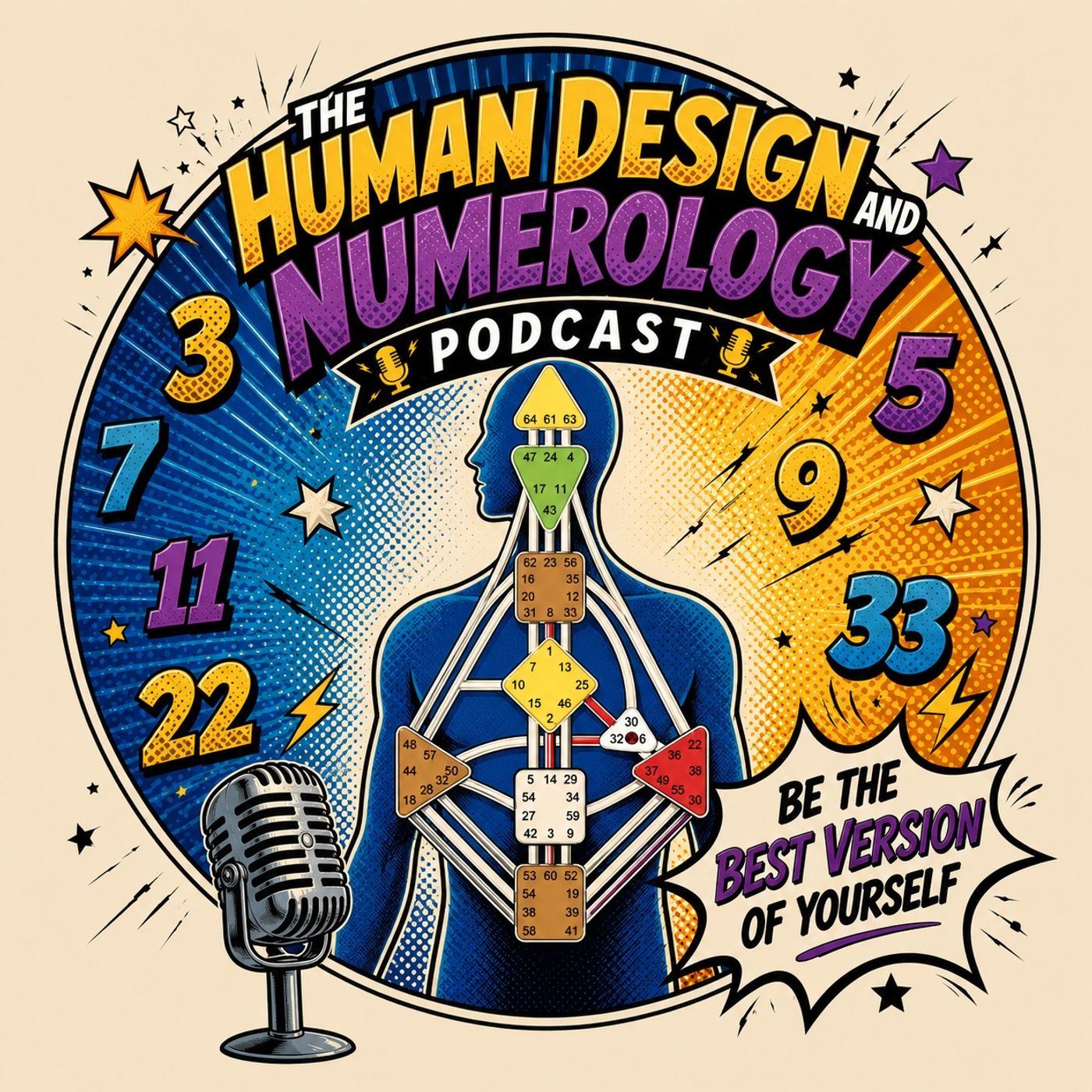
Generator Burnout: Using Frustration as Your Human Design Compass
Embracing Your Inner Compass: Decoding Generator Frustration in Human Design
Are you a Generator feeling the heavy weight of burnout? This post dives deep into how frustration, often mistaken as a personal failing, is actually your Human Design's most powerful signal for misalignment. Learn to interpret this vital feedback to reclaim your authentic energy and steer clear of overwhelm.
Key Takeaways
- Frustration is a Generator's primary 'Not-Self Theme,' indicating energy is misdirected, not that something is inherently wrong.
- Overwhelm for Generators isn't sudden; it's the cumulative result of saying 'yes' to misaligned opportunities and ignoring Sacral responses.
- Treating frustration as a teacher, rather than a failure, empowers Generators to redirect their life-force energy towards what truly lights them up.
- Understanding the distinction between responding and competing helps Generators avoid draining situations and find greater satisfaction.
- Prioritizing rest is not an indulgence but a crucial necessity for Generators to maintain their energy and alignment.
- Making conscious, small 'yes' or 'no' decisions based on Sacral response is key to returning to authentic energy.
Understanding Frustration as a Signal, Not a Symptom
In the intricate system of Human Design, each energy type possesses a unique 'Not-Self Theme' – an indicator that you're operating out of alignment with your true nature. For the vast majority of the population, who are Generators or Manifesting Generators, this theme is frustration. It's crucial to understand that frustration is not a personal defect or a sign of weakness. Instead, it's a sophisticated internal messaging system, akin to a car's 'check engine' light. It doesn't mean the engine is broken; it means something in the system is not operating optimally and requires attention. For Generators, this signal points directly to where their immense Sacral energy is being misdirected.
The show notes for the episode "Why Generators Feel Overwhelmed: Human Design, Burnout & Returning to Your Authentic Energy" highlight that overwhelm doesn't happen in a vacuum. It's a gradual accumulation, built from a series of smaller missteps. These often involve agreeing to commitments, tasks, or even relationships that don't truly light up your Sacral center. When you consistently bypass your inner 'yes' or 'no' response – that gut feeling, that subtle energetic pull or push from your Sacral – and instead operate from obligation, conditioning, or a desire to please, you begin to leak your vital life-force energy.
The Gradual Buildup of Generator Overwhelm
It's a common misconception that burnout and overwhelm strike like a sudden storm. However, for Generators, the reality is far more insidious and, therefore, requires a more nuanced approach to healing and prevention. This build-up is a slow erosion of energy, a gradual dimming of the inner fire that defines the Generator type. It's the result of thousands of micro-decisions made over time that lead you away from your authentic path.
Consider the innocent 'yes.' A Generator might say 'yes' to a social event because they feel they *should* go, even if their Sacral doesn't light up for it. They might say 'yes' to a project at work because it seems like a good career move, or because a superior asked, ignoring the quiet hum of disinterest from their Sacral. They might say 'yes' to taking on more responsibilities at home, believing it's their duty, even if it leaves them feeling depleted. Each of these 'yeses,' when not backed by a genuine Sacral 'yes,' acts like a small pinprick, slowly deflating their energetic reserves.
This constant over-commitment and under-listening to one's own body and energetic cues creates a deficit. It's not that Generators inherently lack energy; they are designed to have abundant, sustainable energy when aligned. The problem lies in the *direction* of that energy. When directed towards things that do not genuinely excite or satisfy the Sacral, it leads to a state of energetic bankruptcy, manifesting as frustration and, eventually, burnout.
Frustration as a Teacher, Not a Punishment
The key to navigating this challenge lies in reframing your understanding of frustration. Instead of viewing it as a personal failing – a sign that you're not good enough, not productive enough, or simply not handling things well – see it as invaluable feedback. Your frustration is telling you, 'Pay attention! You're investing your precious life-force energy in something that isn't sustaining you.' It's an invitation to pause, reflect, and ask yourself: 'Where is my energy truly flowing?'
When you begin to honor this signal, you empower yourself to make different choices. You can start to identify patterns of saying 'yes' when you feel a subtle 'no' or simply silence from your Sacral. This awareness allows you to gently, or sometimes firmly, begin to withdraw from misaligned commitments and create space for those that truly resonate. This isn't about becoming selfish; it's about strategic energy management. By redirecting your energy towards activities, work, and relationships that genuinely light you up and leave you feeling satisfied, you begin to replenish your Sacral energy and move away from the precipice of burnout.
The Power of Response Over Competition
Human Design offers a profound paradigm shift: the emphasis on response rather than competition. Generators are designed to *respond* to life, not to constantly strive, push, or compete. When you are operating from a place of response, you are engaging with what life offers you in a way that feels energizing and leads to a sense of satisfaction. Your Sacral lights up, and you have the energy to move forward with purpose and enthusiasm.
Competition, on the other hand, is inherently draining. It often involves trying to prove oneself, meet external expectations, or engage in a battle of wills or capabilities. This is the domain where frustration festers. When a Generator feels they have to compete for recognition, for resources, or even for basic needs, they are likely operating from a place of not-self. They are expending energy in a way that is fundamentally misaligned with their design, leading directly to that familiar feeling of being overwhelmed and depleted.
Learning to differentiate between a true, Sacral-informed response and the urge to compete is a vital skill for Generators. It means tuning into that internal energetic 'yes' or 'no' before jumping into action. It means recognizing that your worth and your capacity are not determined by how much you can achieve through force or struggle, but by how authentically you engage with what lights up your Sacral. When you choose response, you are choosing a path of sustainable energy and genuine fulfillment.
Prioritizing Rest: The Unsung Hero of Generator Energy
One of the most significant misunderstandings surrounding Generator energy is the concept of rest. In a society that often glorifies constant hustle and productivity, rest can be perceived as laziness or a sign of falling behind. For Generators, however, rest is not the opposite of work; it is an essential component *of* their productive, aligned energy cycle. Their Sacral energy is designed to be abundant, but it requires replenishment.
When a Generator is deeply engaged in activities that align with their Sacral response, they can work for extended periods. However, without adequate rest, this sustained output eventually leads to depletion and the onset of frustration and overwhelm. Think of your Sacral energy like a powerful battery. You can use it intensely, but eventually, it needs to be recharged. Rest periods allow the Sacral center to regenerate, ensuring that when opportunities to respond arise, the Generator has the full capacity to engage with them authentically and sustainably.
Rest for a Generator doesn't necessarily mean inactivity. It can involve periods of quiet contemplation, engaging in low-energy hobbies that bring joy, or simply allowing oneself to be still without the pressure to *do* something. It's about honoring the body's need for energetic renewal. By integrating regular, conscious rest into their lives, Generators can prevent burnout, manage their energy more effectively, and maintain a higher level of vitality and alignment.
Returning to Authentic Energy Through Small Choices
The journey back to authentic energy for a Generator doesn't require a complete upheaval of their life. Often, it's the accumulation of small, consistent choices that leads to the most profound shifts. It begins with cultivating a deeper awareness of the Sacral response and honoring its guidance, even when it feels inconvenient or goes against external expectations.
The first step is often simply to notice. Become an observer of your internal state. When presented with a request or an opportunity, pause. Instead of an immediate 'yes' or a frantic internal debate, check in with your Sacral. Does it feel like an open, expansive 'ah-huh' or a constricted, 'uh-uh'? Even if the logical part of your mind says 'yes,' if your Sacral is silent or resistant, it's a signal to pause. Learning to say a clear, kind 'no' to things that don't align is as important as saying 'yes' to those that do.
Engage in activities that genuinely spark your enthusiasm. What makes you lose track of time? What activities leave you feeling energized, even after you've completed them? These are clues to where your authentic energy wants to flow. By consistently making small choices that honor your Sacral response and lead you towards what truly excites you, you gradually rebuild your energetic foundation and step back into the vibrant, powerful Generator you are designed to be.
Conclusion: Tune Into Your Sacral for Sustainable Energy
Understanding that frustration is your Human Design's way of guiding you away from burnout is a game-changer for Generators. By reframing this 'Not-Self Theme' as a valuable signal, and by prioritizing response over competition, you can begin to reclaim your authentic energy. Remember, the path back to alignment is paved with small, conscious choices that honor your Sacral response. If you're ready to dive deeper into how to harness your Generator energy and navigate the complexities of burnout, listen to the full episode for more profound insights and practical guidance.
Frequently Asked Questions
What is a Generator's 'Not-Self Theme' in Human Design?
A Generator's 'Not-Self Theme' is frustration. In Human Design, this theme serves as a critical indicator that a Generator is operating out of alignment, typically by investing their energy in directions that do not truly excite or satisfy them, rather than responding to what lights them up.
How does recognizing frustration help prevent burnout for Generators?
By viewing frustration as a signal of misdirected energy, rather than a personal failing, Generators can learn to identify and course-correct. This allows them to consciously choose to withdraw from misaligned activities and redirect their Sacral energy towards what is genuinely fulfilling, thereby preventing the cumulative depletion that leads to burnout.
Can Generators truly avoid overwhelm by listening to frustration?
While complete avoidance of all challenging situations might be unrealistic, consistently heeding the signal of frustration can dramatically reduce the frequency and intensity of overwhelm. It empowers Generators to make more aligned choices, manage their energy proactively, and build a life that feels more sustainable and satisfying.
Is rest really that important for Generators, or is it a myth?
Rest is absolutely crucial for Generators. Their abundant Sacral energy requires regular replenishment. Ignoring the need for rest while operating in misaligned ways leads to rapid depletion and burnout. Conscious rest periods are essential for recharging and maintaining vitality, enabling them to respond authentically to life.
How do I discern my Sacral's 'yes' or 'no' response?
The Sacral response is often felt as a visceral, energetic reaction. A 'yes' might feel like an open, inviting, or expansive sensation, often accompanied by a sound like 'uh-huh.' A 'no' might feel like a closed-off, constricting, or heavy sensation, often accompanied by a sound like 'un-un.' It requires practice and mindfulness to tune into these subtle bodily cues.